



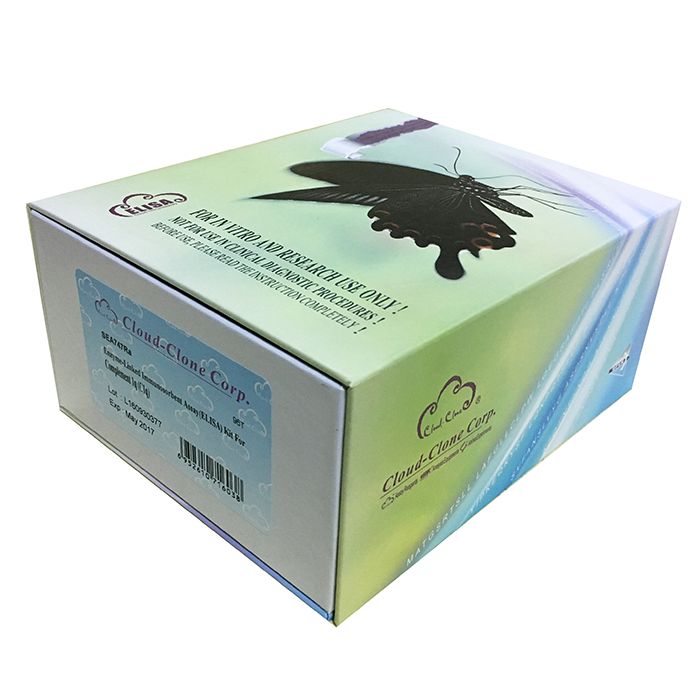
| Product Name | COL1 ELISA kit (Human) |
|---|---|
| Description | This assay has high sensitivity and excellent specificity for detection of Collagen Type I (COL1). No significant cross-reactivity or interference between Collagen Type I (COL1) and analogues was observed. |
| Method | Sandwich |
| Detection Range | 0.156-10ng/mL |
| Sensitivity | 0.055ng/mL |
| Target | COL1 |
| Specificity | This assay has high sensitivity and excellent specificity for detection of Collagen Type I (COL1). No significant cross-reactivity or interference between Collagen Type I (COL1) and analogues was observed. |
| Reactivity | Human |
| Sample Types | Serum, Plasma, Tissue Homogenates, Cell Lysates, Cell Culture Supernates And Other Biological Fluids |
| Reconstitution | 1.Prepare all reagents, samples and standards; 2.Add 100uL standard or sample to each well.Incubate 2 hours at 37℃; 3.Aspirate and add 100uL prepared Detection Reagent A.Incubate 1 hour at 37℃; 4.Aspirate and wash 3 times; 5.Add 100uL prepared Detection Reagent B.Incubate 30 minutes at 37℃; 6.Aspirate and wash 5 times; 7.Add 90uL Substrate Solution.Incubate 10-20 minutes at 37℃; 8.Add 50uL Stop Solution.Read at 450nm immediately. |
| Storage | 4°C for 1 month/ -20°C for long-term(within shelf life) |
| Notes | Colormetric |
| References | Serial cytokine levels during wound healing in rabbit maxillary sinus mucosa;Acidic pH conditions mimicking degenerative intervertebral discs impair the survival and biological behavior of human adipose-derived mesenchymal stem cells;Modification of collagen formation by mesenchymal stem cells isolated from human adipose tissue in culture and after autotransplantation for abdominal hernia plasty;A Combinatorial Relative Mass Value Evaluation of Endogenous Bioactive Proteins in Three-Dimensional Cultured Nucleus Pulposus Cells of Herniated Intervertebral Discs: Identification of Potential Target Proteins for Gene Therapeutic Approaches;Protein synthesis and secretion in human mesenchymal cells derived from bone marrow, adipose tissue and Wharton's jelly;Combined effect of strontium and zoledronate on hydroxyapatite structure and bone cell responses;Protective Effects of Norursodeoxycholic Acid Versus Ursodeoxycholic Acid on Thioacetamide-induced Rat Liver Fibrosis;Mesenchymal stromal cell proliferation, gene expression and protein production in human platelet-rich plasma-supplemented media;Carboxymethyl cellulose—hydroxyapatite hybrid hydrogel as a composite material for bone tissue engineering applications;Mast cell chymase in keloid induces profibrotic response via transforming growth factor-β1/Smad activation in keloid fibroblasts;Low-intensity pulsed ultrasound-induced ATP increases bone formation via the P2X7 receptor in osteoblast-like MC3T3-E1 cells;Impact of the Uremic Milieu on the Osteogenic Potential of Mesenchymal Stem Cells;Strontium and zoledronate hydroxyapatites graded composite coatings for bone prostheses;Multi‐Layered Scaffolds for Osteochondral Tissue Engineering: In Vitro Response of Co‐Cultured Human Mesenchymal Stem Cells;Incorporation of nanostructured hydroxyapatite and poly(N-isopropylacrylamide) in demineralized bone matrix enhances osteoblast and human mesenchymal stem cell activity;On the Mechanism of Drug Release from Polysaccharide Hydrogels Cross-Linked with Magnetite Nanoparticles by Applying Alternating Magnetic Fields: the Case of DOXO Delivery;Antioxidant and bone repair properties of quercetin-functionalized hydroxyapatite: an in vitro osteoblast-osteoclast-endothelial cell co-culture study;Hybrid Macro-Porous Titanium Ornamented by Degradable 3D Gel/nHA Micro-Scaffolds for Bone Tissue Regeneration;Antioxidant and bone repair properties of quercetin-functionalized hydroxyapatite: An in vitro osteoblast–osteoclast–endothelial cell co-culture study;IL-17A mediates inflammatory and tissue remodelling events in early human tendinopathy;Інфаркт міокарда, ускладнений аневризмою лівого шлуночка: клінічні і структурно-функціональні особливості перебігу, діагностичні, терапевтичні та прогностичні аспекти;Fibrosis of extracellular matrix is related to the duration of the disease but is unrelated to the dynamics of collagen metabolism in dilated cardiomyopathy;Inhibition of hesperidin on epithelial to mesenchymal transition of non-small cell lung cancer cells induced by TGF-β1;Left ventricular reverse remodeling is not related to biopsy-detected extracellular matrix fibrosis and serum markers of fibrosis in dilated cardiomyopathy, regardless of the definition used for LVRR;Positive feedback loop of YB-1 interacting with Smad2 promotes liver fibrosis.;Plasma LncRNA-ATB, a Potential Biomarker for Diagnosis of Patients with Coal Workers'Pneumoconiosis: A Case-Control Study.;Saikosaponin d induces cell death through caspase-3-dependent, caspase-3-independent andmitochondrial pathways in mammalian hepatic stellate cells.;An advanced tri-culture model to evaluate the dynamic interplay among osteoblasts, osteoclasts, and endothelial cells.;Antiresorptive and anti-angiogenetic octacalcium phosphate functionalized with bisphosphonates: An in vitro tri-culture study.;Saikosaponin a Induces Apoptosis through Mitochondria-Dependent Pathway in Hepatic Stellate Cells;Demineralized dentin and enamel matrices as suitable substrates for bone regeneration;Prognostic value of fibrosis-related markers in dilated cardiomyopathy: A link between osteopontin and cardiovascular events.;Strontium‐Substituted Hydroxyapatite‐Gelatin Biomimetic Scaffolds Modulate Bone Cell Response;Effect of hyperbaric oxygen therapy (HBO) on implant-associated osteitis in a femur fracture model in mice;BMP-2 and type I collagen preservation in human deciduous teeth after demineralization;Lead exposure inhibits osteoblastic differentiation and inactivates the canonical Wnt signal and recovery by icaritin in MC3T3-E1 subclone 14 cells;Low fibrosis biomarker levels predict cardiac resynchronization therapy response;High amplitude stretching of ATII cells and fibroblasts results in profibrotic effects;Serum sclerostin levels are positively related to bone mineral density in peritoneal dialysis patients: a cross-sectional study;Extracellular matrix deposition by adipose-derived stem cells and fibroblasts: a comparative study;A multifunctional dexamethasone-delivery implant fabricated using atmospheric plasma and its effects on apoptosis, osteogenesis and inflammation;Distinct differences in hypoxic responses between human oral mucosa and skin fibroblasts in a 3D collagen matrix;Predictors of myocardial fibrosis and loss of epicardial adipose tissue volume in the long-term period after myocardial infarction;Ассоциации толщины эпикардиального жира и циркулирующих маркеров фиброза миокарда у пациентов с инфарктом миокарда;Trauma magnitude of the meta-epyphyseal cancellous affects the incidence of deep vein thrombosis. A prospective cohort study on the dynamic of collagen I ¡;Structural Changes and Detection of Liver Fibrosis¨CRelated Protein Levels in Coculture of Alveolar Echinococcosis-Protoscoleces and Human Hepatic Stellate cells;Early diagnosis of myocardial fibrosis in patients with epicardial obesity;Manuscript title Microparticles Containing MiR-625-5p In Coronary Artery Reduce Myocardial Fibrosis After Myocardial Infarction;Esomeprazole Alleviates Fibrosis in Systemic Sclerosis by Modulating AhR/Smad2/3 Signaling; |
| Supplier | Cloud Clone |
PROTOCOLS:
 SEA571Hu
 All Research Products are sold for laboratory RESEARCH USE ONLY and ARE NOT TO BE USED FOR HUMAN OR ANIMAL THERAPEUTIC OR DIAGNOSTIC APPLICATIONS. The information presented is believed to be accurate; however, said information and products are offered without warranty or guarantee since the ultimate conditions of use and the variability of the materials treated are beyond our control. Nothing disclosed herein is to be construed as a recommendation to use our products in violation of any patents. ARP American Research Products, Inc. does not submit its products for regulatory review by any government body or other organization, and we do not validate them for clinical, therapeutic or diagnostic use, or for safety and effectiveness. You are solely responsible for making sure that the way you use the products complies with applicable laws, regulations and governmental policies and for obtaining all necessary approvals, intellectual property rights, licenses and permissions that you may need related to your use. Under no circumstances shall ARP American Research Products, Inc. be liable for damages, whether consequential, compensatory, incidental or special, strict liability or negligence, breach of warranty or any other theory arising out of the use of the products available from ARP American Research Products, Inc. Nothing contained herein warrants that the use of the products will not infringe on the claims of any patents covering the product itself or the use thereof in combination with other products or in the operation of any process. ARP American Research Products, Inc. disclaims any and all representations or warranties of any kind whatsoever, express or implied, including without limitation any implied warranties of merchantability or fitness for a particular purpose, of non-infringement, or regarding results obtained through the use of any product, whether arising from a statute or otherwise in law or from a course of performance, dealing or usage of trade.
