


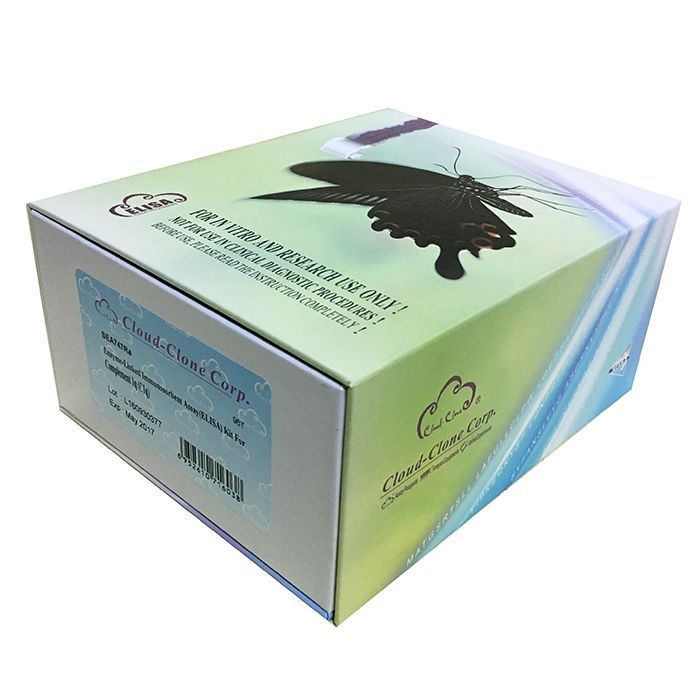
| Product Name | INS ELISA kit (Mouse) |
|---|---|
| Description | This assay has high sensitivity and excellent specificity for detection of Insulin (INS). No significant cross-reactivity or interference between Insulin (INS) and analogues was observed. |
| Method | Competitive |
| Detection Range | 123.5-10,000pg/mL |
| Sensitivity | 52.3pg/mL |
| Target | INS |
| Specificity | This assay has high sensitivity and excellent specificity for detection of Insulin (INS). No significant cross-reactivity or interference between Insulin (INS) and analogues was observed. |
| Reactivity | Mouse |
| Sample Types | Serum, Plasma, Tissue Homogenates, Cell Lysates, Cell Culture Supernates And Other Biological Fluids |
| Reconstitution | 1.Prepare all reagents, samples and standards; 2.Add 50uL standard or sample to each well. And then add 50uL prepared Detection Reagent A immediately. Shake and mix.Incubate 1 hour at 37℃; 3.Aspirate and wash 3 times; 4.Add 100uL prepared Detection Reagent B.Incubate 30 minutes at 37℃; 5.Aspirate and wash 5 times; 6.Add 90uL Substrate Solution.Incubate 10-20 minutes at 37℃; 7.Add 50uL Stop Solution.Read at 450 nm immediately. |
| Uniprot | P01326 |
| Storage | 4°C for 1 month/ -20°C for long-term(within shelf life) |
| Notes | Colormetric |
| References | Impaired neural stem/progenitor cell proliferation in Streptozotocin-induced and spontaneous diabetic mice;Subcutaneous administration of liraglutide ameliorates learning and memory impairment by modulating tau hyperphosphorylation via the glycogen synthase kinase-3 pathway in an amyloid protein induced alzheimer disease mouse model;Subcutaneous liraglutide ameliorates methylglyoxal-induced Alzheimer-like tau pathology and cognitive impairment by modulating tau hyperphosphorylation and glycogen synthase kinase-3β.;Irisin improves perivascular adipose tissue dysfunction via regulation of the heme oxygenase-1/adiponectin axis in diet-induced obese mice;Baicalin against obesity and insulin resistance through activation of AKT/AS160/GLUT4 pathway;Ginsenoside Rg5 attenuates hepatic glucagon response via suppression of succinate-associated HIF-1α induction in HFD-fed mice;Red paprika (Capsicum annuum L.) and its main carotenoid capsanthin ameliorate impaired lipid metabolism in the liver and adipose tissue of high-fat diet-induced obese mice ;Irisin Regulates Heme Oxygenase-1/ Adiponectin Axis in Perivascular Adipose Tissue and Improves Endothelial Dysfunction in Diet-Induced Obese Mice;Activiated Galanin receptor 2 attenuates insulin resistance in skeletal muscle of obese mice;Effects of Bariatric Surgery on Change of Brown Adipocyte Tissue and Energy Metabolism in Obese Mice;Synthesis and anti-diabetic activity of new N,N-dimethylphenylenediamine-derivatized nitrilotriacetic acid vanadyl complexes.;Insulin restores UCP3 activity and decreases energy surfeit to alleviate lipotoxicity in skeletal muscle;Peripheral insulin resistance in ILK-depleted mice by reduction of GLUT4 expression.;Beneficial effect of baicalin on insulin sensitivity in adipocytes of diet-induced obese mice;G 1 CD+ 4T .;Effects of Acute Cold Stress on Liver O-GlcNAcylation and Glycometabolism in Mice;Transcriptomic analysis reveals effects of fucoxanthin on intestinal glucose transport;Effect of Baicalein on GLUT4 Translocation in Adipocytes of Diet-Induced Obese Mice;Silencing of LncRNA Steroid Receptor RNA Activator attenuates polycystic ovary syndrome in Mice;Geniposide and Gentiopicroside Suppress Hepatic Gluconeogenesis via Regulation of AKT-FOXO1 Pathway;Treatment with celastrol protects against obesity through suppression of galanin-induced fat intake and activation of PGC-1α/GLUT4 axis-mediated glucose …;Regulating glycolysis, the TLR4 signal pathway and expression of RBM3 in mouse liver in response to acute cold exposure;Effects of Cold-inducible RNA-binding Protein (CIRP) on Liver Glycolysis during Acute Cold Exposure in C57BL/6 Mice;Huperzine A ameliorates obesity-related cognitive performance impairments involving neuronal insulin signaling pathway in mice;Glycerol Monolaurate‐Mediated Attenuation of Metabolic Syndrome is Associated with the Modulation of Gut Microbiota in High Fat diet‐fed Mice;Baicalin ameliorates hepatic insulin resistance and gluconeogenic activity through inhibition of p38 MAPK/PGC-1α pathway;MicroRNA-99a is a Potential Target for Regulating Hypothalamic Synaptic Plasticity in the Peri/Postmenopausal Depression Model;miR-29a Negatively Affects Glucose-Stimulated Insulin Secretion and MIN6 Cell Proliferation via Cdc42/β-Catenin Signaling;Depolymerized RG-I enriched pectin from citrus segment membrane modulates gut microbiota, increases SCFAs production, promotes the growth of Bifidobacterium …;Isoflurane aggravates peripheral and central insulin resistance in high-fat diet/streptozocin-induced type 2 diabetic mice;Triphenyl phosphate causes a sexually dimorphic metabolism dysfunction associated with disordered adiponectin receptors in pubertal mice;Liraglutide improved inflammation via mediating IL-23/Th-17 pathway in obese diabetic mice with psoriasiform skin;Composite probiotics alleviate type 2 diabetes by regulating intestinal microbiota and inducing GLP-1 secretion in db/db mice;Hyperbaric oxygen ameliorates insulin sensitivity by increasing GLUT4 expression in skeletal muscle and stimulating UCP1 in brown adipose tissue in T2DM …;Integrin Linked Kinase (ILK) Downregulation as an Early Event During the Development of Metabolic Alterations in a Short-Term High Fat Diet Mice Model.;Mice with nucleus tractus solitarius injury induced by chronic restraint stress present impaired ability to raise blood glucose and glucagon levels when blood glucose …;AdipoR1/AdipoR2 dual agonist recovers nonalcoholic steatohepatitis and related fibrosis via endoplasmic reticulum-mitochondria axis;Thioredoxin-interacting protein: a critical link between autophagy disorders and pancreatic β-cell dysfunction;Adiponectin treatment improves insulin resistance in mice by regulating the expression of the mitochondrial-derived peptide MOTS-c and its response to exercise via …;Insulin promotes corneal nerve repair and wound healing in type 1 diabetic mice by enhancing Wnt/β-catenin signaling;Aplysin Retards Pancreatic Necrosis and Inflammatory Responses in NOD Mice by Stabilizing Intestinal Barriers and Regulating Gut Microbial Composition;Highly Branched RG-I Domain Enrichment are Indispensable for Pectin Mitigating Against High-Fat Diet-Induced Obesity;Regulation and Mechanism of miR-518d through the PPARα-Mediated NF-κB Pathway in the Development of Gestational Diabetes Mellitus;Fucoidan prevent murine autoimmune diabetes via suppression TLR4-signaling pathways, regulation DC/Treg induced immune tolerance and improving gut …;The effects of different intensity endurance and resistance exercise on diabetic-related blood profiles in impaired glucose tolerance mice;Phosphorylation of eIF2¦Á signaling pathway attenuates obesity-induced non-alcoholic fatty liver disease in an ER stress and autophagy-dependent manner;Empagliflozin improves chronic hypercortisolism-induced abnormal myocardial structure and cardiac function in mice;Time-restricted feeding attenuates gluconeogenic activity through inhibition of PGC-1¦Á expression and activity;Physiological and genetic convergence supports hypoxia resistance in high-altitude songbirds;N1?methylnicotinamide ameliorates insulin resistance in skeletal muscle of type 2 diabetic mice by activating the SIRT1/PGC?1¦Á signaling pathway;Identification of curcumin as a potential ¦Á©\glucosidase and dipeptidyl©\peptidase 4 inhibitor: Molecular docking study, in vitro and in vivo biological evaluation;Consumption of soybean or olive oil at recommended concentrations increased the intestinal microbiota diversity and insulin sensitivity and prevented fatty liver?¡;TMBIM1 is an inhibitor of adipogenesis and its depletion promotes adipocyte hyperplasia and improves obesity-related metabolic disease;DAla2-GIP-GLU-PAL Protects Against Cognitive Deficits and Pathology in APP/PS1 Mice by Inhibiting Neuroinflammation and Up-regulating cAMP/PKA/CREB?¡;Baicalin protects against insulin resistance and metabolic dysfunction through activation of GALR2/GLUT4 signaling;Lactobacillus acidophilus ameliorates obesity in mice through modulation of gut microbiota dysbiosis and intestinal permeability;Time-restricted feeding prevents metabolic diseases through the regulation of galanin/GALR1 expression in the hypothalamus of mice;Spexin ameliorates skeletal muscle insulin resistance through activation of GAL2 receptor;ATP6V1H deficiency impairs glucose tolerance by augmenting endoplasmic reticulum stress in high fat diet fed mice;Environmental exposure to low-dose perfluorohexanesulfonate promotes obesity and non-alcoholic fatty liver disease in mice fed a high-fat diet;Hepatic deficiency of selenoprotein S exacerbates hepatic steatosis and insulin resistance;Treatment with spexin mitigates diet-induced hepatic steatosis in vivo and in vitro through activation of galanin receptor 2;Dual-core coaxial bioprinting of double-channel constructs with a potential for perfusion and interaction of cells;Constitutional delay of growth and puberty in female mice is induced by circadian rhythm disruption in utero; |
| Supplier | Cloud Clone |
PROTOCOLS:
 CEA448Mu
All Research Products are sold for laboratory RESEARCH USE ONLY and ARE NOT TO BE USED FOR HUMAN OR ANIMAL THERAPEUTIC OR DIAGNOSTIC APPLICATIONS. The information presented is believed to be accurate; however, said information and products are offered without warranty or guarantee since the ultimate conditions of use and the variability of the materials treated are beyond our control. Nothing disclosed herein is to be construed as a recommendation to use our products in violation of any patents. ARP American Research Products, Inc. does not submit its products for regulatory review by any government body or other organization, and we do not validate them for clinical, therapeutic or diagnostic use, or for safety and effectiveness. You are solely responsible for making sure that the way you use the products complies with applicable laws, regulations and governmental policies and for obtaining all necessary approvals, intellectual property rights, licenses and permissions that you may need related to your use. Under no circumstances shall ARP American Research Products, Inc. be liable for damages, whether consequential, compensatory, incidental or special, strict liability or negligence, breach of warranty or any other theory arising out of the use of the products available from ARP American Research Products, Inc. Nothing contained herein warrants that the use of the products will not infringe on the claims of any patents covering the product itself or the use thereof in combination with other products or in the operation of any process. ARP American Research Products, Inc. disclaims any and all representations or warranties of any kind whatsoever, express or implied, including without limitation any implied warranties of merchantability or fitness for a particular purpose, of non-infringement, or regarding results obtained through the use of any product, whether arising from a statute or otherwise in law or from a course of performance, dealing or usage of trade.
